


Introduction
As of 2024, the gaming industry in Southeast Asia has witnessed tremendous growth, projected to reach a value of $4.4 billion by 2025. Web3 gaming, in particular, is at the forefront of this revolution, promising to reshape the digital entertainment landscape. With over 50% of gamers in the region participating in blockchain-based games, the question arises: what makes Web3 gaming so appealing?
This article delves into the intricate ecosystem of Web3 gaming in Southeast Asia, exploring its current state, challenges, opportunities, and future trends. For companies and individuals looking to navigate this thriving market, understanding the nuances of Web3 is essential.
The Evolution of Gaming in Southeast Asia
Before we dive into Web3 gaming, let’s look at the evolution of the gaming industry in Southeast Asia.
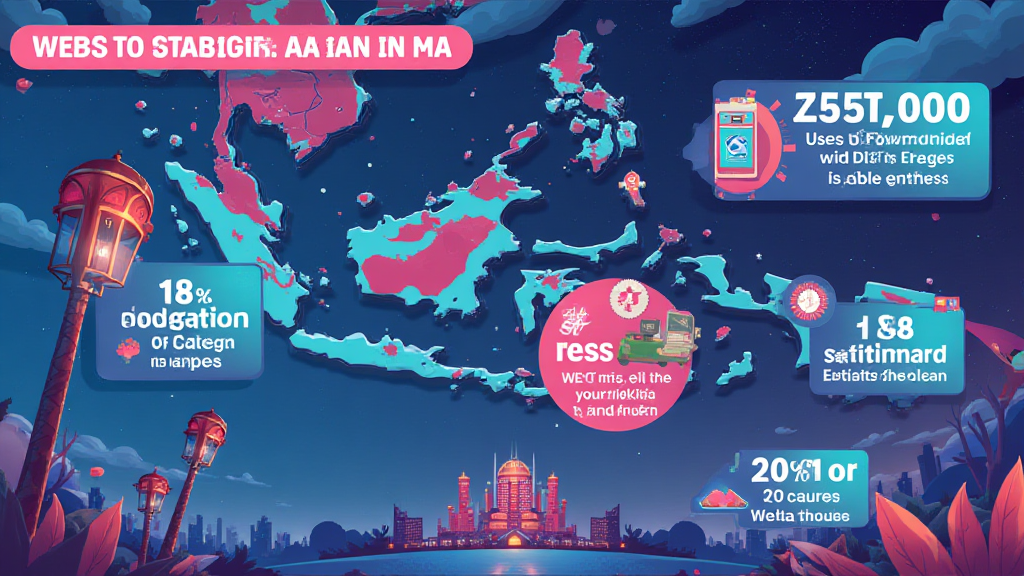
- Historic Growth: Southeast Asia has become a significant player in the global gaming market. Mobile gaming, in particular, has surged, fueled by high smartphone penetration and affordable data plans.
- User Engagement: According to recent statistics, gamers in Southeast Asia spend an average of 6 hours a week playing games – higher than the global average.
This robust user engagement sets the stage for the introduction of innovative technologies like Web3.
Understanding Web3 Technology
Web3 is the next evolution of the internet, defined by decentralized technologies that empower users. Unlike traditional gaming platforms controlled by central authorities, Web3 allows players to own in-game assets and ensures transparency.
Incorporating blockchain technology, Web3 gaming offers unique benefits:
- Ownership: Players can truly own their digital assets, thanks to non-fungible tokens (NFTs).
- Decentralization: Eliminates intermediaries, creating direct interactions between players and developers.
- Interoperability: Enables assets to be used across various games, enhancing the gaming experience.
This embodied ethos aligns with the preferences of the Southeast Asian gaming community.
Current Trends in Web3 Gaming
Several noteworthy trends highlight the growth of Web3 gaming in Southeast Asia:
- Play-to-Earn Models: Games like Axie Infinity have popularized the play-to-earn concept, allowing players to earn income while playing.
- Community-Driven Development: Many Web3 games are shaped by player feedback and community involvement.
- Esports and Tournaments: Web3 gaming has also entered the competitive arena, with organizations sponsoring tournaments offering substantial prizes.
The play-to-earn model is particularly compelling given economic uncertainties in the region, making blockchain gaming an attractive proposition for many players.
The Vietnamese Market Potential
Vietnam is a prime example of the burgeoning potential for Web3 gaming in Southeast Asia. The country boasts a young and tech-savvy population, with over 60% of its 97 million citizens under 30. As of 2023, estimates show that about 16 million players engage in crypto gaming, highlighting an impressive growth rate of 25% year-on-year.
Furthermore, the Vietnamese government has shown a willingness to encourage blockchain technology through favorable regulations and support for development initiatives.
Challenges in Web3 Gaming
Despite its promise, several challenges hinder the widespread adoption of Web3 gaming:
- Regulatory Hurdles: The crypto regulatory landscape is still evolving, creating uncertainties for developers and players alike.
- User Education: Many players remain unfamiliar with blockchain mechanisms, making onboarding a challenge.
- Scalability Concerns: As more players flock to these platforms, ensuring efficient and scalable operations becomes crucial.
Addressing these challenges is vital for continued growth in the Web3 gaming sector.
Future Prospects of Web3 Gaming in Southeast Asia
The prospects of Web3 gaming in Southeast Asia are promising. Analysts predict a compound annual growth rate (CAGR) of 35% through 2025. Innovations in the integration of augmented reality (AR) and virtual reality (VR) with blockchain technology might lead to immersive experiences.
Moreover, as developers increasingly recognize the potential of the Southeast Asian market, we can expect an influx of funding and innovative projects tailored to local audiences.
Conclusion
Web3 gaming is transforming the landscape of digital entertainment in Southeast Asia. The region’s unique demographics, combined with a strong affinity for technology, position it as a leader in the global gaming market. With the potential for economic benefits and community empowerment, the future of Web3 gaming in Southeast Asia is indeed bright.
As players and developers embrace this new frontier, platforms like ef=”https://cryptohubble.com”>cryptohubble will play a pivotal role in connecting users and shaping the future of this industry.


