


Unlocking Blockchain Scaling Solutions: Navigating the Future of Digital Transactions
With an astonishing
The Importance of Blockchain Scaling
As blockchain technology evolves, so too does its application across industries. The challenge of scalability, however, persists. Major blockchains like Bitcoin and Ethereum struggle with transaction speeds and costs during peak demand. Here’s the catch: without effective solutions to these limitations, user adoption may plateau.
ong>Transaction Speed: ong> Most blockchains can only process a limited number of transactions per second. For instance, Bitcoin handles around 7 TPS, while Ethereum manages about 30 TPS. In contrast, leading payment giants like Visa can handle more than 24,000 TPS.ong>Transaction Costs: ong> High congestion leads to high fees. In some instances, users have paid upwards ofong>$100 ong> for Ethereum gas fees when the network is busy.ong>User Experience: ong> Slow transaction times and high fees deteriorate the overall user experience, making users less likely to engage with blockchain applications.
Types of Blockchain Scaling Solutions
Blockchain scaling solutions can broadly be categorized into two categories:
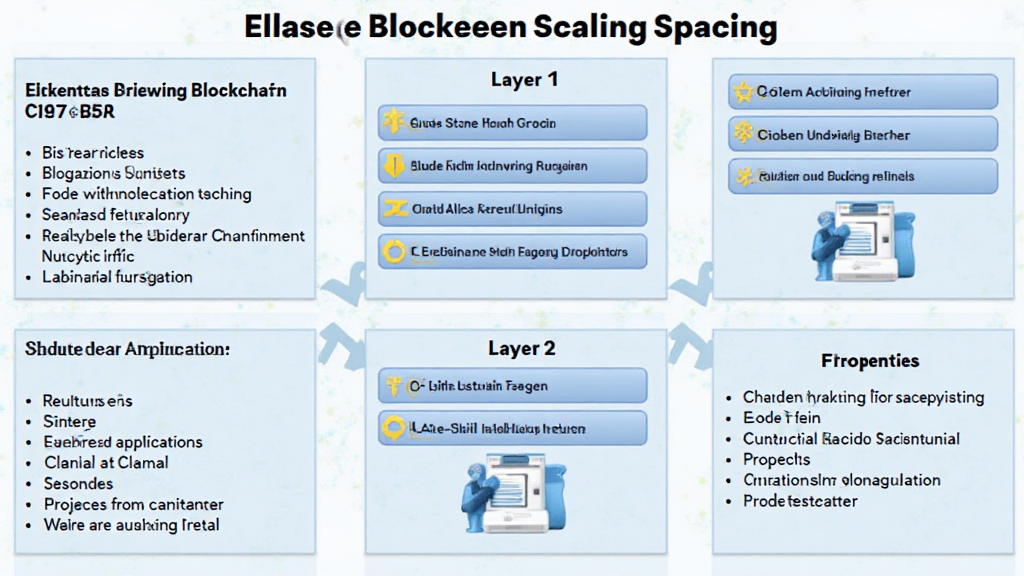
Layer 1 Solutions
Layer 1 solutions involve modifications made directly to the base protocol to enhance scalability.
ong>Sharding: ong> This method divides the blockchain into smaller, more manageable pieces (or shards). Each shard can process its own transactions and smart contracts, drastically improving throughput. For example, Ethereum 2.0 plans to implement sharding to boost scalability.ong>Hard Forks: ong> Hard forks can provide significant upgrades to the protocol, allowing it to scale. An example is the Bitcoin Cash fork, created with the intention of facilitating higher transaction volumes.
Layer 2 Solutions
Layer 2 solutions are built on top of existing blockchains, effectively reducing the load on the main chain.
ong>State Channels: ong> Allow users to conduct transactions off-chain while ensuring the security and integrity of the main blockchain. An example is the Lightning Network for Bitcoin, which enables fast and cost-effective transactions.ong>Plasma: ong> A framework for creating scalable applications that can handle child chains. Ethereum’s Plasma allows for creating smaller chains that can handle transactions separately from the main chain.ong>Rollups: ong> Rollups bundle multiple transactions into a single transaction to reduce load on the blockchain. Optimistic rollups and zk-rollups are two types highlighting efficiency.
Real-World Applications of Scaling Solutions
Now that we understand various scaling solutions, let’s explore how and where they have been applied in real-world settings.
ong>Decentralized Finance (DeFi): ong> DeFi platforms like Uniswap struggle with congestion, requiringong>Layer 2 solutions ong> to manage user demand during peak trading periods. Integrating solutions like Optimistic Rollups can help.ong>Gaming: ong> Blockchain-based games such as Axie Infinity leverage scaling solutions to manage millions of transactions while minimizing fees, enhancing the gaming experience.
Market Insights: Vietnam and Blockchain Adoption
In the Southeast Asian region, countries like Vietnam showcase exponential growth in blockchain adoption. With a user growth rate of over
ong>Investment Opportunities: ong> The Vietnamese market has seen significant investments in blockchain startups, indicating an eager reliance on scalable solutions that enhance transaction speeds and reduce costs.ong>Regulatory Views: ong> The shift in regulatory posture has welcomed various blockchain innovations, making the country a fertile ground for developing scaling solutions.
The Future of Blockchain Scaling
Looking ahead, the landscape of blockchain scaling will continue to evolve. As technological advancements unfold, more factors must be considered:
ong>Interoperability: ong> The ability of different blockchains to work together will be crucial for unifying transaction approaches.ong>Data Privacy: ong> Privacy-preserving transaction solutions will become increasingly necessary as blockchain technology becomes more widely adopted.
Conclusion: The Path Forward for Blockchain Scaling Solutions
Blockchain scaling solutions are an essential component of the cryptocurrency ecosystem. As decentralized applications and user engagement rapidly increase, the challenge of scalability must be addressed, ensuring an efficient, cost-effective, and secure environment for users. In the world of digital assets, the race for better solutions is not just an opportunity but a necessity. By embracing scalable blockchain technologies, we pave the way for enhanced user experiences and robust future growth.
For more insights on blockchain development and cryptocurrency trends, visit ef=”https://www.cryptohubble.com”>cryptohubble.


