


Introduction
In the evolving world of cryptocurrencies and blockchain technology, scalability remains a hot topic. With an astounding
What Are Sidechains?
A sidechain is a separate blockchain that runs parallel to the main blockchain. It is designed to allow interoperability and the transfer of assets between the primary blockchain and the sidechain. By doing this, sidechains can ease congestion on the main ledger while allowing transactions to occur more rapidly.
ong>Example: ong> Consider a warehouse that stores various commodities. When demand for a specific item rises, a sidechain enables faster transactions for that item while the main warehouse handles other goods.
Sidechains typically utilize their consensus mechanisms, which can differ from the main blockchain. This segregation provides flexibility and enables developers to experiment with new features without jeopardizing the primary chain.
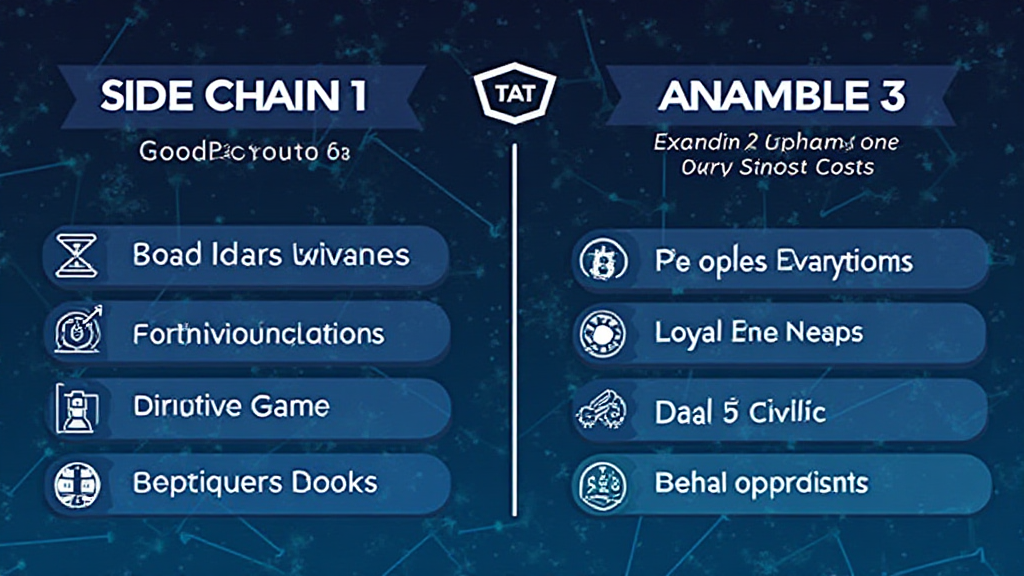
Popular Sidechain Examples
ong>Rootstock (RSK) ong>: A Bitcoin sidechain aimed at enabling smart contracts.ong>Liquid Network ong>: A Bitcoin sidechain that enhances transaction speed and privacy for traders.
What Are Layer 2 Solutions?
Layer 2 solutions operate on top of the main blockchain (or Layer 1) and are designed to process transactions off the main layer while benefiting from its security. This reduces the load on the main blockchain and accelerates transaction speeds.
ong>Example: ong> Think of a busy restaurant kitchen (Layer 1), where peak hours create et=”_blank” href=”https://cryptohubble.com/?p=7494″>long waiting times. A second kitchen (Layer 2) can be staffed with cooks who prepare certain items quickly, allowing the main kitchen to focus on intricate dishes.
Layer 2 solutions are generally tailored for specific use cases and enable blanket improvements across various decentralized applications.
Popular Layer 2 Examples
ong>Polygon (MATIC) ong>: Enhances Ethereum’s performance with cheaper and quicker transactions.ong>Optimistic Rollups ong>: Utilizes optimistic verification frameworks to speed up Ethereum transactions.
Sidechains vs Layer 2: A Comparative Analysis
Real-World Applications
Both sidechains and Layer 2 solutions have been successfully implemented in various industries. Here’s how they are shaping the market:
ong>DeFi Platforms ong>: Using Layer 2 solutions helps decrease transaction fees and time, encouraging more users to participate.ong>NFT Marketplaces ong>: Sidechains are often employed to facilitate faster transactions while minimizing gas fees for NFT trading.
The Vietnamese Market: A Case Study
Vietnam is witnessing rapid growth in users adopting cryptocurrencies.
This rising interest has led many local projects to explore both sidechains and Layer 2 solutions, aiming to improve access to decentralized finance and NFTs. The Vietnamese community’s strength in tech and innovation paves the way for promising developments in the blockchain space.
Tips for Navigating Sidechains and Layer 2 Solutions
- Assess the specific needs of your project to choose between sidechains or Layer 2.
- Consider the user experience; seamless transactions will encourage adoption.
- Keep updated with the latest developments, as technology in the crypto space evolves rapidly.
Conclusion
As we move toward a more interconnected blockchain world, the debate between


