


Global Crypto Tax Updates 2025: What You Need to Know
With the rapid growth of cryptocurrency, tax regulations are evolving just as quickly. In 2025, countries worldwide will implement significant updates in their crypto tax frameworks to address the burgeoning digital economy. Investors, businesses, and stakeholders must stay informed about these changes to ensure compliance and optimize tax strategies.
The Need for Crypto Tax Regulation
Cryptocurrencies have transformed the financial landscape, with an estimated $4.5 trillion in digital assets circulating globally as of early 2025. Given this massive figure, governments recognize the need for efficient tax regulations.
- Bitcoins and altcoins are increasingly being used for everyday transactions.
- Regulatory bodies must adapt to prevent tax evasion, money laundering, and other illicit activities.
- Investments in cryptocurrencies have skyrocketed, necessitating frameworks for reporting and taxing gains.
In Vietnam, the user growth rate of digital wallets skyrocketed by 45% in 2024 alone, highlighting the urgency of comprehensive crypto tax regulations.
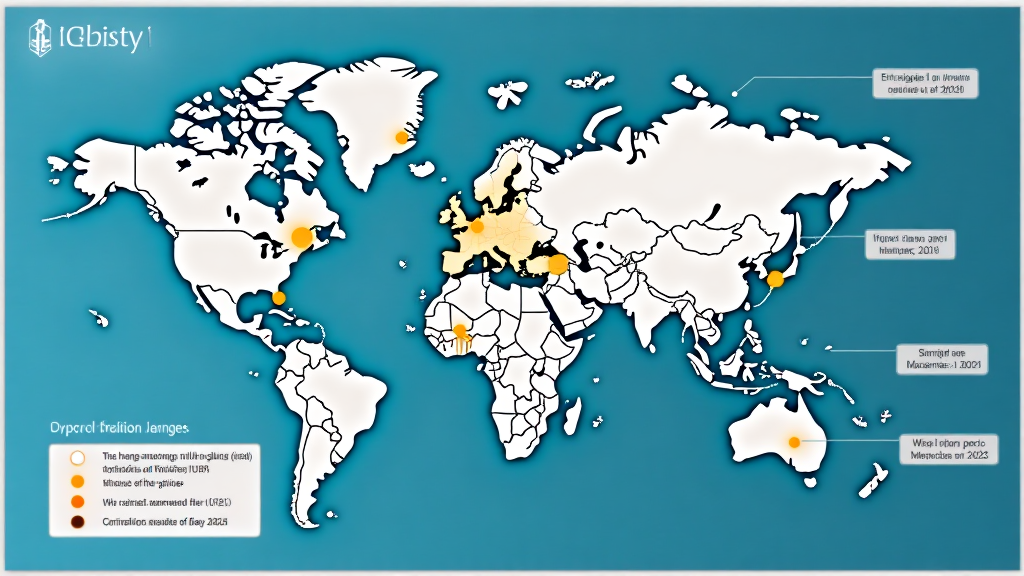
Key Changes in 2025 Crypto Tax Regulations
Countries around the globe are updating their approaches to crypto taxation. Here’s a quick look at the notable changes expected in 2025:
- United States: The Internal Revenue Service (IRS) is set to enhance reporting requirements and clarity on staking, mining, and airdrops.
- European Union: The EU proposes harmonized guidelines to eliminate discrepancies between member states, making it simpler for traders to comply.
- Vietnam: The government plans to implement new guidelines on crypto reporting, focusing on security, compliance, and taxation workflows.
Understanding Tax Implications in Different Regions
Understanding how tax regulations differentiate across regions can significantly impact your investment strategies. Let’s break it down:
United States Tax Implications
In the U.S., the IRS considers cryptocurrency as property for tax purposes. This means:
- Gains from digital asset sales are subject to capital gains tax.
- Detailed reporting is essential, including the necessity to file Form 8949.
- Specific treatment will apply for staking rewards and hard forks.
European Union Guidelines
The EU continuously updates its guidelines to accommodate innovations in the digital space. Here are important points:
- Tax policies may vary, but uniformity is on the horizon, following feedback from digital asset stakeholders.
- Reporting standards will likely improve due to the implementation of the Anti-Money Laundering (AML) directive.
- Data sharing agreements among member states will foster a consolidated approach to crypto taxation.
Vietnam’s Evolving Crypto Tax Scene
Vietnam has been proactive in addressing crypto taxation to support its rapidly growing market. Here’s what to anticipate:
- A new regulatory framework will likely be introduced in early 2025.
- Mandatory reporting for all crypto transactions will be enforced.
- Tax incentives may be introduced for businesses adopting crypto-friendly practices.
The Impact of Global Tax Updates on Investors
Changes in tax regulations will significantly impact how investors stratagize their assets. Here’s a deeper dive:
Tax Planning Strategies for Investors
With the new regulations, effective tax planning is more crucial than ever. Keep these strategies in mind:
- Stay updated with all tax-related news in your jurisdiction and adapt your strategies accordingly.
- Consider tax-loss harvesting to offset potential gains with losses.
- Utilize tax-advantaged accounts (where applicable) for crypto investments.
Leveraging Compliance Tools
For many investors, ensuring compliance can be overwhelming. However, various tools can simplify the process:
- Utilizing a software solution like TokenTax can help in effective crypto tax reporting.
- Services like CoinTracker provide comprehensive portfolio management aids.
- Investing in education around auditing smart contracts ensures transparency and lowers legal risk.
Frequently Asked Questions
What are the potential penalties for failing to comply with crypto tax regulations?
Non-compliance can result in heavy fines, penalties, and potential legal consequences, including audits from tax authorities. Thus, ensuring thorough reporting is essential.
How can I prepare for upcoming changes in tax laws?
Stay informed by following cryptocurrency news and consulting with tax professionals to ensure your understanding aligns with current regulations.
Conclusion
As we move through 2025, staying well-informed of global crypto tax updates is key for investors and businesses alike. Understanding the implications of tax regulations in your region can help streamline compliance and maximize your investment returns. With continued growth in digital assets worldwide, being proactive in your tax planning will pay dividends in the long run.
Cryptohubble remains your trusted source for updates in the ever-changing world of cryptocurrency. To stay ahead of the curve, be sure to follow our insights for the latest in crypto news and tax regulations.
About the Author: Dr. Emily Carter is an expert in blockchain technology and a consultant specializing in cryptocurrency regulations. With over 30 published papers in the field and extensive experience leading audits for several prominent crypto projects, Dr. Carter is a recognized authority in the realm of digital currencies.


