


Introduction
In an era where
What Are Restaking Protocols?
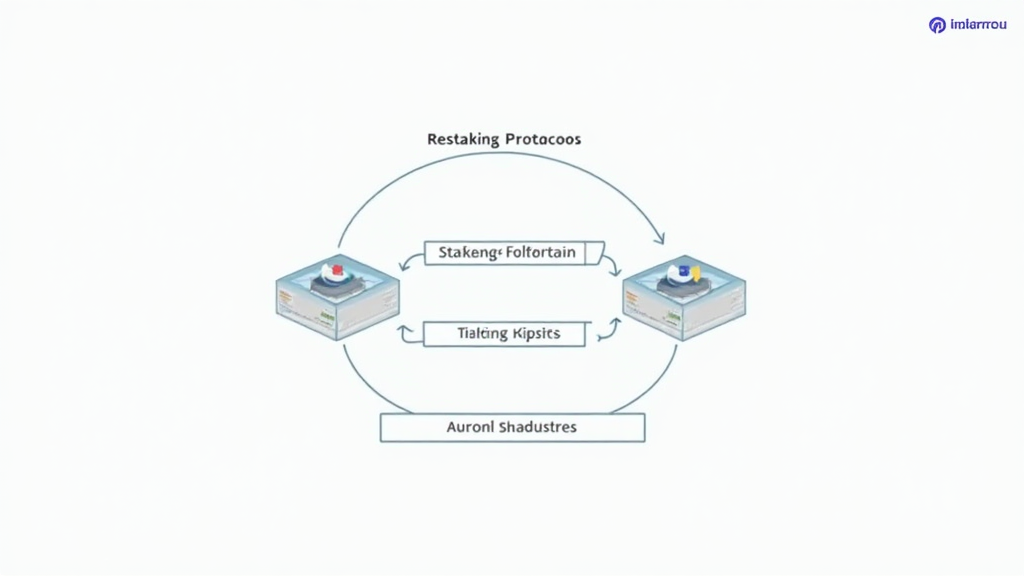
Restaking protocols allow users to stake their cryptocurrency not just once, but multiple times across various protocols or within the same protocol for different rewards. This mechanism ensures that assets remain actively generating returns while also contributing to the security of the network.
How Do Restaking Protocols Work?
ong>Active Participation: ong> Users engage in the staking process, locking their assets into a pool.ong>Multiple Rewards: ong> By restaking, users have the opportunity to earn rewards from multiple protocols concurrently.ong>Security Enhancement: ong> Restaking bolsters network security by increasing the amount of cryptocurrency staked, which can deter malicious activities.
Examples of Restaking Protocols
Several platforms leverage restaking protocols today:
ong>Ethereum 2.0: ong> As Ethereum transitions to a proof-of-stake model, restaking opportunities are emerging, allowing users to stake ETH while also generating yield from secondary pools.ong>Chainlink: ong> Chainlink’s decentralized oracle network allows users to contribute to security by restaking LINK tokens.ong>Polygon: ong> Known for its layer-2 solutions, Polygon allows restaking on various DeFi platforms, enhancing liquidity and security.
The Benefits of Restaking
Implementing restaking protocols can yield several significant benefits:
ong>Increased Returns: ong> Users can amplify their earnings by participating in multiple staking mechanisms.ong>Improved Security: ong> More staked assets signify a more secure network, making it harder for bad actors to execute attacks.ong>Flexibility: ong> Users have the ability to choose how and where to stake their assets based on the protocols’ performance and rewards.
The Risks Involved
While restaking protocols offer advantages, they also come with inherent risks:
ong>Smart Contract Vulnerabilities: ong> The complexity of multiple protocols increases the chances of vulnerabilities within smart contracts.ong>Market Volatility: ong> The cryptocurrency market is notoriously volatile, impacting the value of staked assets.ong>Liquidity Risks: ong> Users may face challenges accessing their funds if the protocol becomes illiquid.
How to Audit Smart Contracts in Restaking
Understanding the importance of auditing smart contracts can mitigate risks:
ong>Hire Experts: ong> Engaging with blockchain security firms can provide an extra layer of assurance.ong>Regular Updates: ong> Ensure the smart contracts undergo regular updates and audits to address potential vulnerabilities.ong>Community Involvement: ong> Encouraging community verification and participation can enhance transparency.
The Future of Restaking Protocols
As the landscape of blockchain continues to evolve, the future of restaking protocols looks promising. With increasing adoption across different sectors, these protocols are expected to drive further innovation in
According to recent statistics, there was a notable increase in the number of blockchain users in Vietnam, reflecting a healthy growth rate of over
Conclusion
In conclusion, restaking protocols serve as a multifaceted tool for securing digital assets, increasing returns, and enhancing network security. By understanding the benefits and risks associated with these protocols, users can better navigate the complexities of the blockchain landscape. Embracing restaking could be key to maximizing returns in the ever-evolving crypto market.
Stay informed and updated with the latest on restaking and blockchain technology at ef=”https://cryptohubble.com”>cryptohubble.


