

Introduction
In 2024, $4.1 billion was reported lost to DeFi hacks, showcasing the importance of understanding the crypto landscape. The dynamics of the market can be confusing, especially for new investors who are trying to navigate this complex world. A significant part of making informed investment decisions lies in gauging market sentiment. For Vietnam, where the user growth rate in cryptocurrency use has surged by over 40% since last year, tools to interpret market emotions are increasingly crucial.
This article explores market sentiment indicators in the crypto sphere, delving into methods, tools, and the underlying impacts these indicators create for traders and investors alike.
Understanding Market Sentiment Indicators
Market sentiment indicators are tools used to gauge the mood of investors towards particular assets or the overall market. They reflect collective attitudes and emotions, which can dramatically influence price movements. Here’s a breakdown of the most common sentiment indicators:
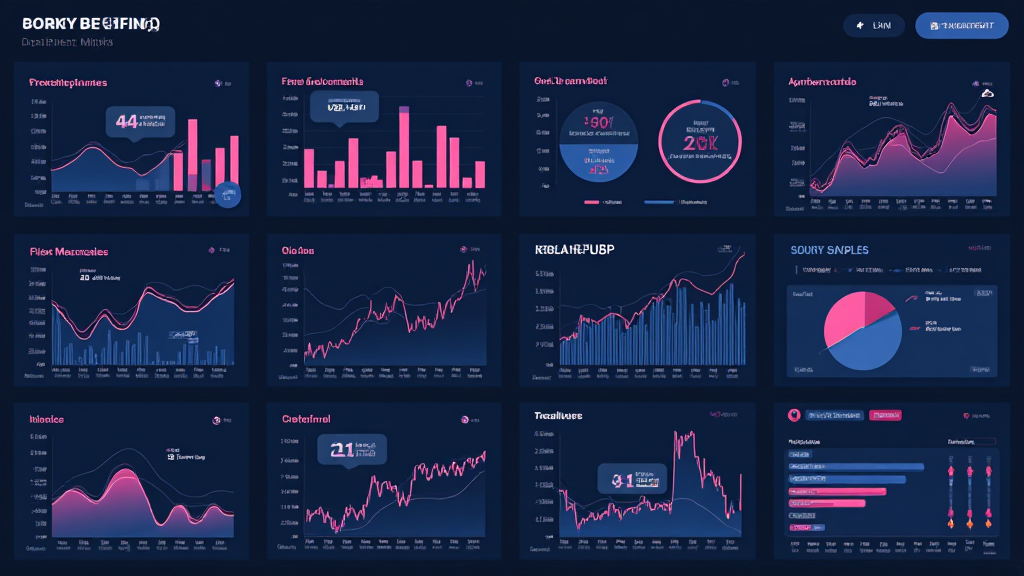
ong>Fear and Greed Index: ong> This index provides insights into the overall sentiment of the market by quantifying emotions ranging from fear to greed. High greed indicates potential market bubbles, while extreme fear can signal a buying opportunity.ong>Social Media Sentiment: ong> Analyzing sentiments on platforms like Twitter and Reddit can give insights into the sentiments driving prices. Positive or negative tweets often correlate with market boosts or drops.ong>Market Volume: ong> The volume of trades within the market can indicate sentiment shifts. A sudden increase in trading volume often suggests heightened investor interest, reflecting positive sentiment.ong>Google Trends Analysis: ong> Monitoring search trends related to cryptocurrencies can provide early insight into burgeoning interest or concern regarding market conditions.
Utilizing Market Sentiment for Investment Strategies
Investors can leverage market sentiment indicators in various ways to enhance their trading strategies. Understanding when to buy or sell based on sentiment can be akin to precision timing in music—too early or too late can lead to missed opportunities.
Let’s break down a few applications:
ong>Identifying Entry and Exit Points: ong> By tracking sentiment indicators, investors can identify optimal entry and exit points. For instance, accumulating assets during periods of negative sentiment can yield significant returns as the market rebounds.ong>Diversifying Portfolio Strategies: ong> An investor might vary their investment strategy based on shifting sentiments. For example, in times of extreme fear, it may be wise to invest in more stable assets rather than high-volatility options.ong>Risk Management: ong> Understanding market fears can help investors to gauge market sentiment properly and adjust their level of risk accordingly.
Market Sentiment Indicators in Vietnam’s Crypto Scene
Vietnam is witnessing a rapid increase in crypto adoption, with approximately 5 million users trading various cryptocurrencies. This rising curiosity creates a unique landscape for sentiment analysis.
In Vietnam, local investors have shown patterns that suggest they heavily rely on social media sentiment before making substantial trading decisions. For example,
These shifts represent both opportunities and risks, making market sentiment indicators essential for local traders. Understanding local preferences and behaviors can provide Vietnamese investors with an edge over newcomers.
Real-World Examples and Case Studies
Several case studies demonstrate the practical application of market sentiment indicators:
ong>Case Study 1: Bitcoin Surge: ong> In 2023, Bitcoin’s price surged as social media sentiment shifted dramatically towards bullish outlooks. This drive was corroborated by significant trading volume, showcasing a cohesive positive sentiment.ong>Case Study 2: Ethereum and DeFi: ong> Between April and June 2024, Ethereum faced heavy market corrections due to negative sentiment spurred by network congestion issues. Tracking sentiment could have provided investors with prior warning to mitigate losses.
Challenges and Limitations
Although market sentiment indicators are invaluable, they are not without their challenges:
ong>Sentiment Manipulation: ong> Social media platforms can be prone to manipulation, making it risky to rely solely on these indicators.ong>Short-term Noise vs Long-term Trends: ong> Investors may confuse et=”_blank” href=”https://cryptohubble.com/?p=7497″>short-term sentiment fluctuations with et=”_blank” href=”https://cryptohubble.com/?p=7494″>long-term market directions, which can lead to poor investment decisions.
Practical Tools and Resources
Several tools can assist investors in analyzing market sentiment:
ong>CoinMarketCap: ong> Track overall market sentiment through price, volume, and social media interactions.ong>CryptoFearGreed: ong> An excellent tool for quickly assessing the market’s emotional temperature.ong>Social Media Monitoring Tools: ong> Tools like Hootsuite or BuzzSumo can track sentiment on social platforms.
Conclusion
As the crypto market matures, utilizing market sentiment indicators will become increasingly essential for investors looking to navigate this complex environment. By understanding and applying these indicators, crypto enthusiasts in Vietnam and around the globe can sharpen their investment strategies, potentially leading to more favorable outcomes.
Staying ahead in the market requires a commitment to understanding these indicators and taking measured actions based on empirical data. Whether through community engagement or market analysis, the tools and resources available today are powerful allies in the quest for crypto investment success.
At ef=”https://cryptohubble.com”>Cryptohubble, we are dedicated to providing insights and resources that empower our users to make informed decisions in the dynamic world of cryptocurrency.


