Introduction
With over $30 billion locked in DeFi protocols as of 2024, the decentralized finance sector continues to grow exponentially. Yet, many users remain unaware of the intricacies of liquidity provision and how it can significantly influence their yield outcomes. In this guide, we delve into liquidity provision in DeFi, explaining its importance, risks, and strategies to maximize return on investment.
Understanding Liquidity Provision and Its Importance in DeFi
Liquidity provision refers to the act of supplying assets to a DeFi protocol to facilitate trading and ensure investors can buy or sell assets without significant price changes. Much like a bank’s reserve, liquidity pools are essential to maintain the ecosystem’s health. When users provide liquidity, they earn a share of the transaction fees, making it a lucrative opportunity within decentralized finance.
The Role of Liquidity Pools
- Liquidity pools enable efficient trading on decentralized exchanges (DEXs).
- They allow assets to be traded without the need for a centralized party.
- Users can earn rewards by contributing to these pools.
In Vietnam, the DeFi space is seeing rapid growth, with user adoption increasing by over 150% year-on-year. With vast opportunities available, understanding liquidity pools is vital for investors looking to thrive in this burgeoning market.
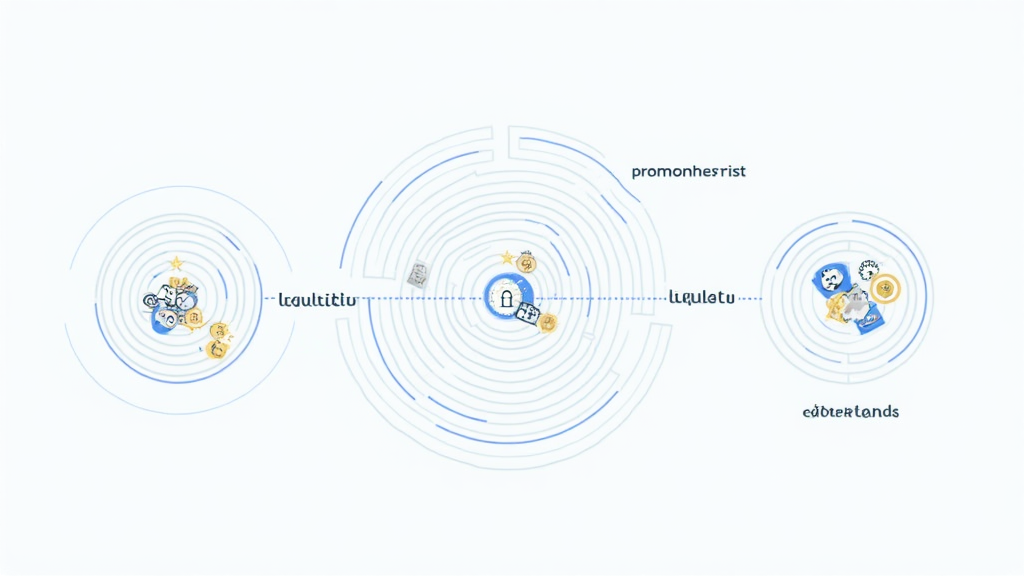
How to Provide Liquidity in DeFi
Providing liquidity is a straightforward process, but there are essential parameters and risks to consider:
- Choose a DEX or lending platform (e.g., Uniswap, Balancer).
- Determine the asset pair you wish to provide (e.g., ETH/DAI).
- Deposit your assets into the liquidity pool.
- Monitor your liquidity shares to ensure profitability.
Understanding Impermanent Loss
Here‘s the catch: while providing liquidity can be rewarding, it comes with risks, notably impermanent loss. This occurs when the price of the assets in the pool diverges from their initial value. The greater the divergence, the larger the potential losses for liquidity providers.
The Risks Associated with Liquidity Provision
While liquidity provision can yield high returns, it carries several risks that shouldn’t be overlooked:
ong>Market Volatility: ong> Rapid price changes can lead to losses.ong>Smart Contract Vulnerabilities: ong> Bugs in the code can expose your assets to risks.ong>Liquidity Constraints: ong> In low market volume conditions, it may be difficult to withdraw funds.
Mitigating Risks in Liquidity Provision
To reduce risks, consider diversifying your liquidity provision across multiple pools and carefully reviewing DEX protocols. Ensure the projects you are investing in have undergone thorough audits and possess a solid track record.
Maximizing Your Returns as a Liquidity Provider
To make the most out of your investment, here are some strategies you can employ:
- Concentrate liquidity in less volatile pools.
- Use automated tools to monitor yield rates and shift liquidity as necessary.
- Engage in liquidity mining programs that offer additional incentives.
Future Trends in DeFi Liquidity Provision
As the DeFi space evolves, new trends will shape liquidity provision:
ong>Cross-Chain Liquidity: ong> Solutions like bridges allowing assets to move between different blockchains.ong>Institutional Participation: ong> Increased institutional investment leading to enhanced liquidity.ong>User-Friendly Interfaces: ong> Streamlined platforms catering to novice users.
Conclusion
In conclusion, liquidity provision in DeFi is a compelling way to generate passive income, but it is not without its challenges. By understanding the risks, learning how to mitigate them, and employing effective strategies, you can make informed decisions as you navigate this complex landscape. Participating in liquidity provision can not only enhance your portfolio but also contribute to the overall efficiency of decentralized finance.
For further insight into the DeFi world and more on liquidity provision, visit ef=”https://cryptohubble.com”>cryptohubble.