


Introduction
With a staggering $4.1 billion lost to DeFi hacks in 2024 alone, the need for robust trading strategies and analysis in the crypto market has never been more pressing. As the world of cryptocurrency continues to expand, understanding the mechanisms behind digital asset trading is crucial. One indispensable tool in this endeavor is order book analysis. This article will delve deep into what order book analysis is and how it can provide traders—both new and experienced—with a competitive edge.
Understanding Order Books
An order book is a digital ledger that lists all buy and sell orders in a particular trading market. Think of it as a marketplace where buyers and sellers come together to set prices for assets. Order books assess demand and supply, closely resembling how traditional stock markets operate. Each entry reveals the price level of an asset aet=”_blank” href=”https://cryptohubble.com/?p=7494″>long with the amount that buyers or sellers are willing to transact.
- Bid: The maximum price a buyer is willing to pay.
- Ask: The minimum price a seller will accept.
- Spread: The difference between bid and ask prices.
In crypto, especially within decentralized exchanges (DEX), order books play a pivotal role in facilitating transactions without a central authority.
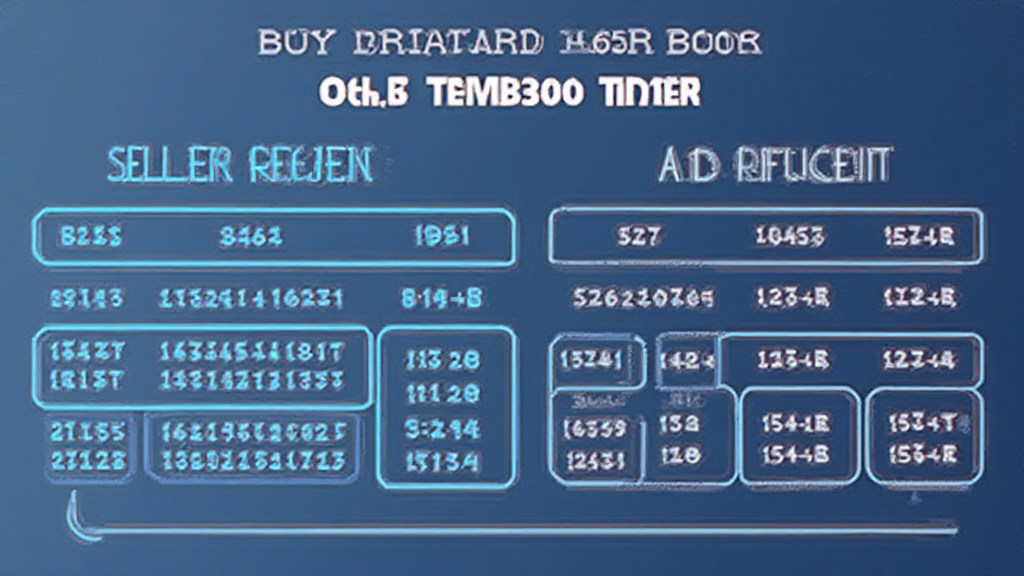
Order Book Dynamics and Market Sentiment
One of the critical aspects of order book analysis is gauging market sentiment. The arrangement of buy and sell orders can often indicate the emotional landscape of the market. When analyzing an order book, it’s important to look at:
- The size of the orders: Larger orders might indicate stronger conviction.
- The depth of the order book: A deeper book typically suggests a well-established price level.
- Price movements: Rapid changes can signal volatility or potential market exits.
By analyzing these factors, traders can make informed predictions about future price movements. For instance, a sudden accumulation of buy orders around a specific price level may suggest that traders expect upward momentum.
Scalping and Day Trading with Order Book Analysis
Considered one of the most high-frequency trading strategies, scalping relies heavily on real-time data and market depth. Successful scalpers often utilize order book analysis to find entry and exit points. Here’s how:
- Identify levels of support and resistance based on order concentrations.
- Monitor order book fluctuations to ascertain market activity.
- Utilize indicators like volume-weighted average price (VWAP) in conjunction with order book data.
These strategies aim to capitalize on tiny price changes for quick profits—hence the name “scalping.” For those in the Vietnamese market, where there is a high growth rate in cryptocurrency adoption, these methods could align well with localized trading behaviors.
Challenges in Order Book Analysis
While order book analysis holds significant advantages for traders, several challenges exist that one must navigate. These include:
ong>Market Manipulation ong>: Large orders might be placed for the sole purpose of influencing market sentiment—a tactic known as “spoofing.”ong>Data Overload ong>: The sheer amount of data can be overwhelming, making realtime decision-making challenging.ong>Execution Risks ong>: In volatile markets, the execution of orders based on analysis can lead to slippage.
Comprehending these pitfalls is essential for traders looking to utilize order book data effectively.
The Future of Order Book Analysis
As technology advances, order book analysis is likely to evolve. Particularly with the rise of machine learning and AI-based tools, traders can expect enhanced features that improve analysis efficiency. Here’s what to anticipate:
ong>Advanced Algorithms: ong> Algorithms that can predict market movements based on historical data.ong>Greater Incorporation of AI: ong> AI can streamline data analysis and provide insights on market trends.ong>Expanded Use Cases: ong>Tools that cater to varying trading strategies, such as et=”_blank” href=”https://cryptohubble.com/?p=7494″>long-term investing or high-frequency trading.
Vietnam has seen a surge in crypto trading activity, which suggests that these advanced tools can become increasingly relevant to local traders seeking to maximize their performance.
Order Book Analysis: Best Practices
To leverage the benefits of order book analysis, consider these best practices:
- Stay informed about global and local market news that could influence prices.
- Use comprehensive charting tools that integrate order book data aet=”_blank” href=”https://cryptohubble.com/?p=7494″>longside technical indicators.
- Implement risk management strategies to minimize losses during high volatility.
By following these practices, you can enrich your trading strategies and better navigate the crypto landscape.
Conclusion
In the rapidly-evolving space of cryptocurrency trading, understanding order book analysis can equip traders with an indispensable tool for success. As user adoption grows across markets such as Vietnam, the demand for effective trading strategies will continue to rise. Order book analysis not only helps traders estimate price movements but also fosters a sense of community awareness within a decentralized environment. As we move closer to 2025, integrating techniques like order book analysis will be crucial for anyone looking to understand the crypto landscape. Remember, it’s not just about trading but about strategizing, adapting, and staying ahead in the ever-changing digital marketplace.
Not financial advice. Consult local regulators.


