


Privacy Coins vs Transparent Blockchains: An In-Depth Overview
With $4.1B lost to DeFi hacks in 2024, the conversation around security and privacy in the blockchain space has never been more pressing. At the forefront of this discourse are two distinct categories of cryptocurrencies: privacy coins and transparent blockchains. As the digital landscape evolves, understanding these technologies is crucial. In this article, we will explore the core differences between privacy coins and transparent blockchains, their use cases, and what they mean for the cryptocurrency ecosystem.
What Are Privacy Coins?
Privacy coins are cryptocurrencies designed to keep transactions anonymous and private. They employ various techniques to obfuscate transaction details, including sender and receiver addresses, as well as transaction amounts. Popular examples include Monero, Zcash, and Dash.
ong>Monero: ong> Utilizes ring signatures, stealth addresses, and confidential transactions.ong>Zcash: ong> Offers the option of shielded transactions using zk-SNARK technology.ong>Dash: ong> Implements a feature called PrivateSend for mixing transactions.
What Are Transparent Blockchains?
On the contrary, transparent blockchains like Bitcoin and Ethereum are designed for transparency and traceability. Every transaction on these networks is publicly accessible, allowing anyone to audit and verify transactions. This transparency can foster trust but also raises concerns regarding user privacy.
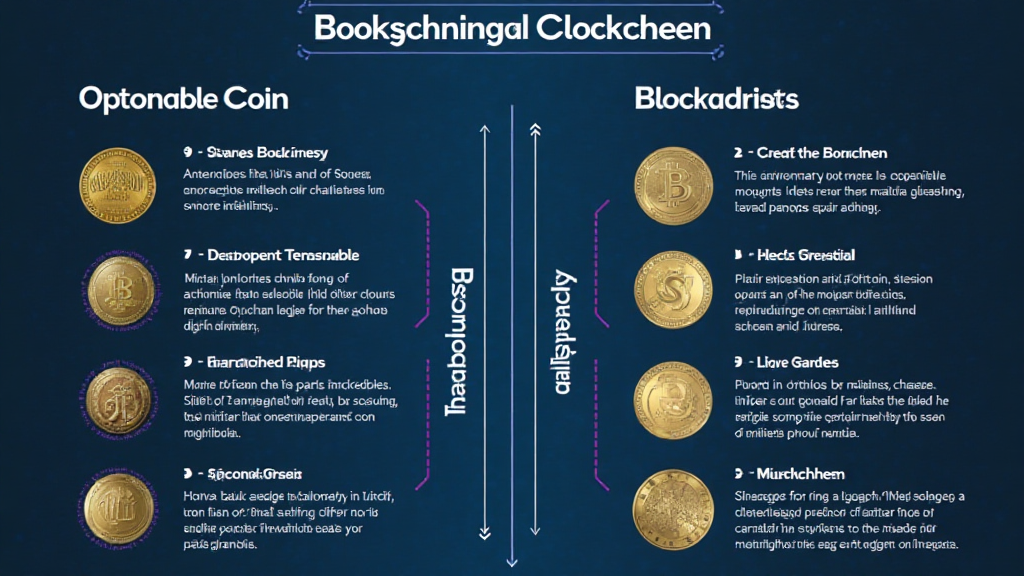
ong>Bitcoin: ong> Publicly available blockchain where all transactions are recorded and can be viewed by anyone.ong>Ethereum: ong> Similar to Bitcoin but enables smart contracts, which add layers to transaction functionality.
Why Privacy Matters
As the number of crypto users increases—particularly in emerging markets like Vietnam, where the user growth rate reached 35% in 2023—protecting personal information is becoming increasingly essential. For individuals in oppressive regimes or those seeking financial freedom, privacy coins offer a solution to evade surveillance and maintain of their assets.
Transparency: Pros and Cons
With transparent blockchains, while the risk of fraud and theft decreases, the potential for the misuse of information increases. Hackers may use the visible transaction history to trace funds and exploit vulnerabilities. However, transparency can also serve as a deterrent for illicit activities.
Case Studies: Real-World Applications
Let’s break it down with some real-world scenarios:
1. Financial Privacy
In countries with strict financial regulations, such as Vietnam, many citizens might find it challenging to utilize traditional financial services. Privacy coins offer means for unbanked populations to engage in the economy without exposing their entire financial history.
2. Business Transactions
Companies dealing with large sums often choose privacy coins to protect sensitive business information, allowing them to transact without fear of competitors tracking their financial moves.
3. Visibility for Auditors
On the other end, businesses that require transparency, especially those in regulated industries, rely on transparent blockchains to provide auditors with the information they need while adhering to regulations.
Privacy Concerns and Regulation
The rise of privacy coins has led regulatory bodies to scrutinize them closely. The anonymity they provide has gained a reputation for facilitating illicit activities. For example, in July 2024, regulators in Vietnam tightened their grip on privacy coins, implementing measures to track and potentially ban them. This was particularly pronounced due to an increase in cybercrime.
Comparative Analysis: Privacy vs Transparency
ead> ead>
Anonymity
High
Low
Use Cases
Personal transactions, business privacy
Financial transparency, auditing
Regulatory Scrutiny
High
Moderate
e>
According to Chainalysis, in 2025, around 25% of all crypto transactions might involve privacy coins, reflecting an increasing demand for anonymity.
Conclusion
In a world where digital privacy is increasingly at risk, the battle between privacy coins and transparent blockchains is a critical one. Balancing the need for personal privacy and the call for transparency will define the future of cryptocurrencies. As we look to 2025, understanding these technologies and aligning them with user needs will be paramount. With ongoing regulatory changes, staying informed will allow individuals and businesses alike to navigate this evolving landscape safely.
As you consider your options in the crypto realm, weigh the benefits of utilizing privacy coins against transparent blockchains carefully. Each serves unique purposes, and your choice should align with your specific needs and values.
In summary, whether you value anonymity or transparency, the choice between privacy coins and transparent blockchains is vital in shaping your cryptocurrency experience. So, equip yourself with knowledge and make informed decisions. For further insights, check out ef=’https://hibt.com’>hibt.com.
This article is not financial advice. Always consult local regulations when dealing with cryptocurrencies.
Author: Dr. Jane Smith, a recognized authority in blockchain technology, has written over 30 papers in the field and has led audits for known projects like Ethereum.


