


The Rise of Stablecoin Market in Southeast Asia: Opportunities and Challenges
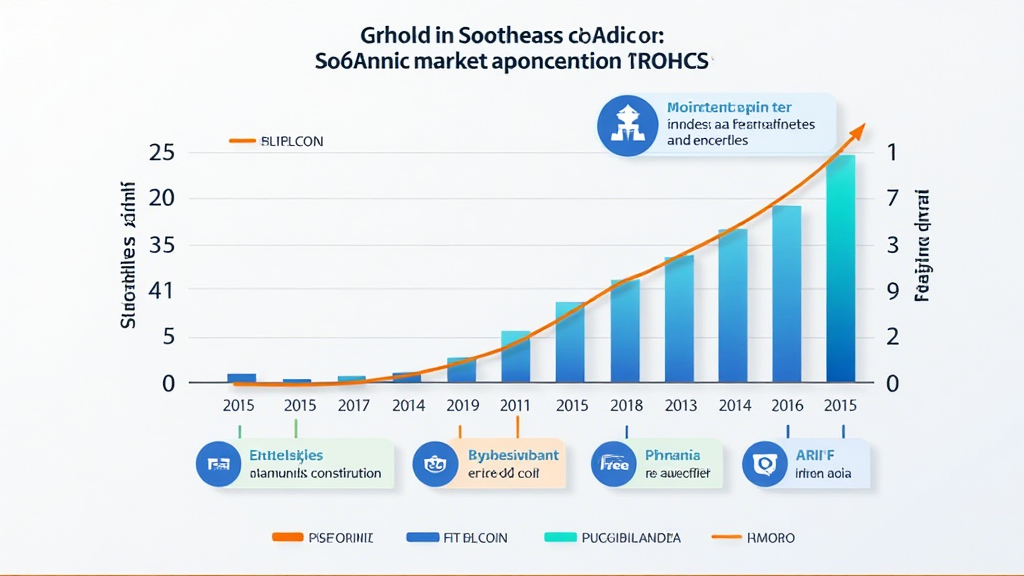
As we move further into 2025, it’s essential to look at the trends that are shaping the financial landscape across the globe. One such significant trend is the burgeoning stablecoin market in Southeast Asia. According to recent studies, the number of stablecoin transactions in this region has nearly tripled over the past year. This rapid growth dictates an exploration of the opportunities and challenges that come with it. In this article, we’ll dissect the factors contributing to this expansion while offering insights into regional trends, user perspectives, and future forecasts.
Understanding Stablecoins
Before diving into the stablecoin market dynamics, let’s break down what stablecoins actually are. Stablecoins are cryptocurrencies designed to minimize price volatility by being pegged to a reserve asset, such as fiat currencies or commodities. This explains their burgeoning appeal for users who seek stability as they navigate the turbulent seas of the cryptocurrency market.
The Mechanisms Behind Stablecoins
- Fiat-collateralized Stablecoins: These are backed 1:1 by fiat currency reserves. Examples include Tether (USDT) and USD Coin (USDC).
- Crypto-collateralized Stablecoins: They use other cryptocurrencies as collateral. DAI is a notable example, ensuring it stays pegged to the US dollar.
- Algorithmic Stablecoins: These rely on algorithms and smart contracts to automatically adjust the supply based on demand, as seen in Terra (LUNA).
These mechanisms create varying degrees of stability, security, and reliance among users in regions such as Southeast Asia.
The Southeast Asian Market Landscape
In recent times, Southeast Asia has witnessed unique growth patterns within its stablecoin market. Countries such as Vietnam, Thailand, and Indonesia have exhibited significant shifts towards digital assets. For instance, Vietnam has observed a user growth rate of approximately 65% annually for blockchain-related applications, highlighting a fertile ground for stablecoins.
Regulatory Environment
- Favorable regulations: Many Southeast Asian countries encourage digital innovations, making it conducive for stablecoins to flourish.
- Central Bank Digital Currency (CBDC) Initiatives: Governments are exploring CBDCs, which can boost or compete against stablecoins.
- Evolving legal frameworks: Legal recognition of stablecoins is becoming prominent, enhancing trust among users.
However, it’s essential to keep a cautious eye on the regulatory landscape as local governments adapt to the rapid development of the blockchain technology ecosystem.
Use Cases and Adoption Metrics
The emergence of a robust stablecoin market can be attributed to its diverse use cases among Southeast Asian users. Users often engage in stablecoins for various reasons such as remittances, micro-transactions, and even online shopping.
Remittances
- Stablecoins offer a solution for cross-border payments, reducing transaction costs significantly when compared to traditional banking methods.
- The implementation of stablecoins can help users save around 7% in transaction fees associated with international money transfers.
In Vietnam, for example, stablecoin adoption for remittances has increased dramatically thanks to their capability to simplify and expedite transactions.
Supporting Local Economies
- By offering stable alternatives for transactions, local businesses can gain access to crypto markets without being subject to high volatility.
- Marketplaces are beginning to accept stablecoins, looser monetary policies help manage inflation pressures in local economies.
Many merchants in Thailand and Indonesia have started using stablecoins as a payment method, further bolstering their acceptance.
The Future of Stablecoins in Southeast Asia
So, what lies ahead for the stablecoin market in Southeast Asia? As technology continues to evolve and user acceptance rises, several trends are emerging.
Predictions for Growth
- The rapid integration of blockchain technologies: This will likely drive competition and innovation, further bolstering the market.
- Increased education and awareness: As more people understand how to utilize stablecoins, demand is expected to surge.
- Partnerships with financial institutions: As banks explore blockchain, collaborations could lead to mainstream adoption.
Many industry experts forecast that by 2026, the stablecoin market in Southeast Asia could see a growth of over 300% compared to current figures.
Challenges Ahead
Despite the optimistic outlook, the journey isn’t without challenges. The adoption of stablecoins in Southeast Asia faces hurdles such as lack of trust, regulatory uncertainties, and technological barriers that must be figured out.
Overcoming Regulatory Hurdles
- Regulatory clarity is critical for the sustainable growth of stablecoins in the region.
- Countries must navigate their unique regulatory landscapes to ensure compliance, as missteps can lead to losses.
Innovative projects and partnerships aimed at crafting compliant solutions will be essential for the attractive growth trajectory of stablecoins in the market.
Conclusion
In summary, the stablecoin market in Southeast Asia is positioned for notable growth over the coming years. Factors such as favorable regulations, increasing user acceptance, and diverse use cases are pivotal in this expansion. However, challenges do exist, and stakeholders must navigate these effectively to harness the full potential of stablecoins.
As we watch this dynamic landscape evolve, educating users and fostering trust will be paramount. Not just for users but for businesses and regulators looking to capitalize on the potential of stablecoins. In a world where digital assets continue to gain momentum, understanding the stablecoin market in Southeast Asia could be your key to future opportunities.
For more insights on digital assets and their future in Southeast Asia, stay tuned with ef=”https://cryptohubble.com”>cryptohubble.


