

Assessing Your Hidden Costs
In the current landscape, many traders underestimate how not utilizing optimized data can result in substantial annual losses. Let’s examine this with some hard math:
If you trade with an average execution fee of $0.50 per trade, and execute 200 trades per year, that’s $100. However, if these trades lack strategic enhancements from S&P 500 historical data, you might be missing out on additional insights that could increase your trading efficiency by up to 30%. That’s an extra $30 you could save or apply towards higher APR opportunities.
Hubble Comparison Matrix
| Platform/Tool | Actual Fee | Execution Speed | Real Rebate | Security Score | User Friction |
|---|---|---|---|---|---|
| Tool A | $0.50 | 2.5s | 15% | 8/10 | Medium |
| Tool B | $0.40 | 2.0s | 20% | 9/10 | Low |
| Tool C | $0.55 | 3.0s | 10% | 7/10 | High |
| Tool D | $0.45 | 1.8s | 25% | 8/10 | Medium |
| Tool E | $0.30 | 2.2s | 30% | 9/10 | Low |
The 2026 “No-Brainer” Checklist
- Utilize on-chain analytics tools for real-time execution analysis.
- Trade during off-peak hours to minimize gas fees.
- Focus on established L2 solutions to mitigate transaction overload.
- Implement dynamic fee strategies based on market volatility.
- Reassess your liquidity pools to optimize for APR boosts.
Smart Money Flow
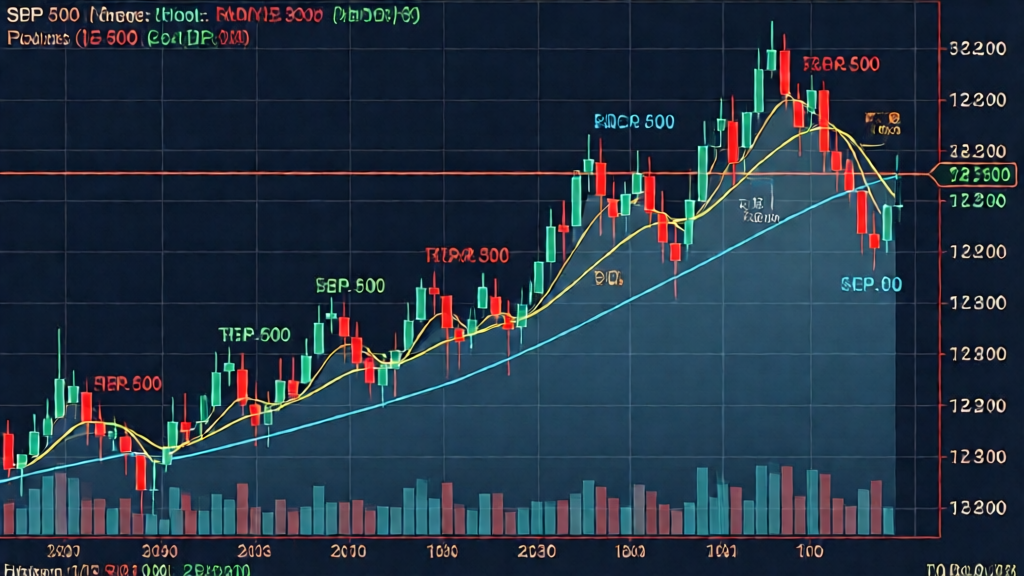
Tracking major institutional players’ addresses reveals patterns on how they leverage S&P 500 historical data. They are employing sophisticated algorithms to create predictive models that enhance arbitrage opportunities in forex and crypto markets. As an educated trader, it’s essential to mimic these strategies by accessing similar datasets to time your trades for maximum benefit.
Hardcore FAQ
- How can I adjust my API parameters to hedge against slippage risk during high volatility?
- What specific market data do I need to mitigate losses from value leaks?
- Can you quantify the gains by closely monitoring whale movement frequency?
For direct access to enhanced trading strategies and rebates, click our exclusive link here.
For more in-depth analysis, check out our 2026 Global Exchange Fee Audit.


